
Search Bar

When you hear the phrase cooling system referenced in regards to your vehicle, you may immediately think of your car’s A/C. But while the A/C in your car does help keep you—and the interior cabin—cool, your car’s cooling system is primarily concerned with keeping your engine and transmission cool. The cooling system literally keeps your vehicle from overheating, which can occur in any type of weather, whether it is during the winter or summer. When your car’s cooling system isn’t working correctly or is leaking, you run the risk of serious engine damage.
While each component plays a central role in the operation of your cooling system, the radiator is the main player. Your car can technically run without a radiator for a short period, but you will not be able to control the temperature of your engine—and you run the risk of your engine overheating and causing serious problems.
Rad Air Complete Car Care & Tire Centers actually began as a small radiator and air conditioning repair shop—that’s where the “Rad Air” name comes from. We have decades of experience diagnosing, repairing, and servicing vehicle radiators and maintaining the performance of cooling systems for optimal vehicle performance.

No matter the brand, style, or age of your car or truck, our auto mechanics can make sure that you won’t run the risk of your vehicle overheating while driving to work or out on errands. In fact, we have a great deal of expertise in all areas of engine cooling repairs, including radiators, thermostats, water (coolant) pumps, head gaskets, intake gaskets, heater systems, and heater cores. The services we provide to repair your cooling system or radiator are varied as well and may include welding, reconditioning, and repairing radiators, heaters, cylinder heads, intake manifolds, and engine blocks.
COOLANT FLUSH & FILL • RADIATOR & HOSE INSPECTION • SYSTEM PRESSURE TEST • CHECK THERMOSTAT OPERATION • PURGE AIR FROM SYSTEM
View CouponMost vehicles with appointment. Coolant extra on some vehicles. At participating locations. Not valid with any other offers, coupons, or specials. See store for details. EXP: 07/15/26
"*" indicates required fields
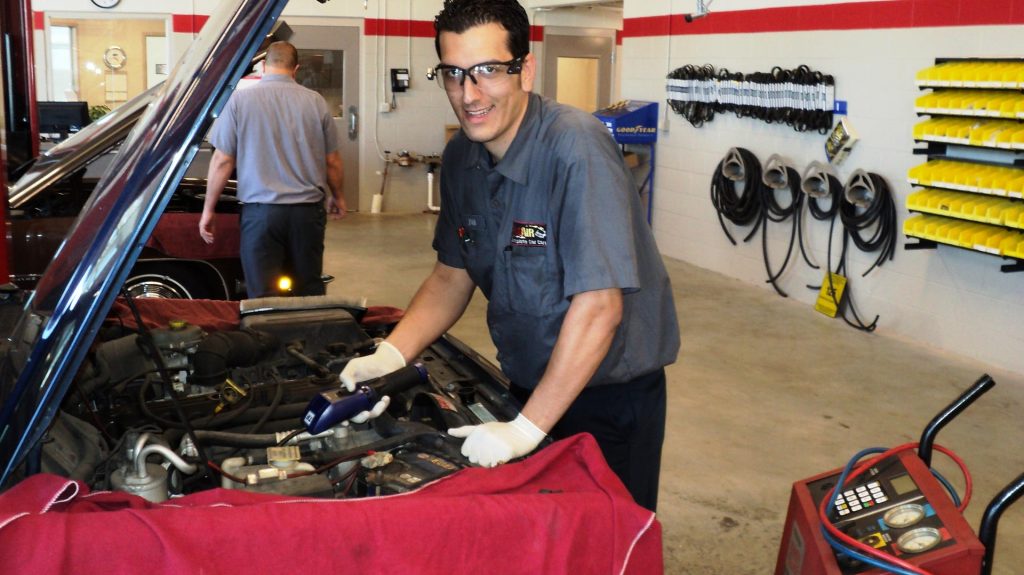
Take time to have your cooling system and radiator evaluated by your local Rad Air team. You’ll love our fast, convenient services, and our automotive repair technicians will be sure to answer any and all questions you might have about your estimate and repair. Make your service reservation today. We are here to help!